
London Ambulance Service's Violence Reduction Unit is backing staff through about 640 live police inquiries into attacks and abuse on crews and call handlers.
London Ambulance Service is supporting its staff through around 640 active police investigations into abuse and aggression against them, the manager who runs that work has said.
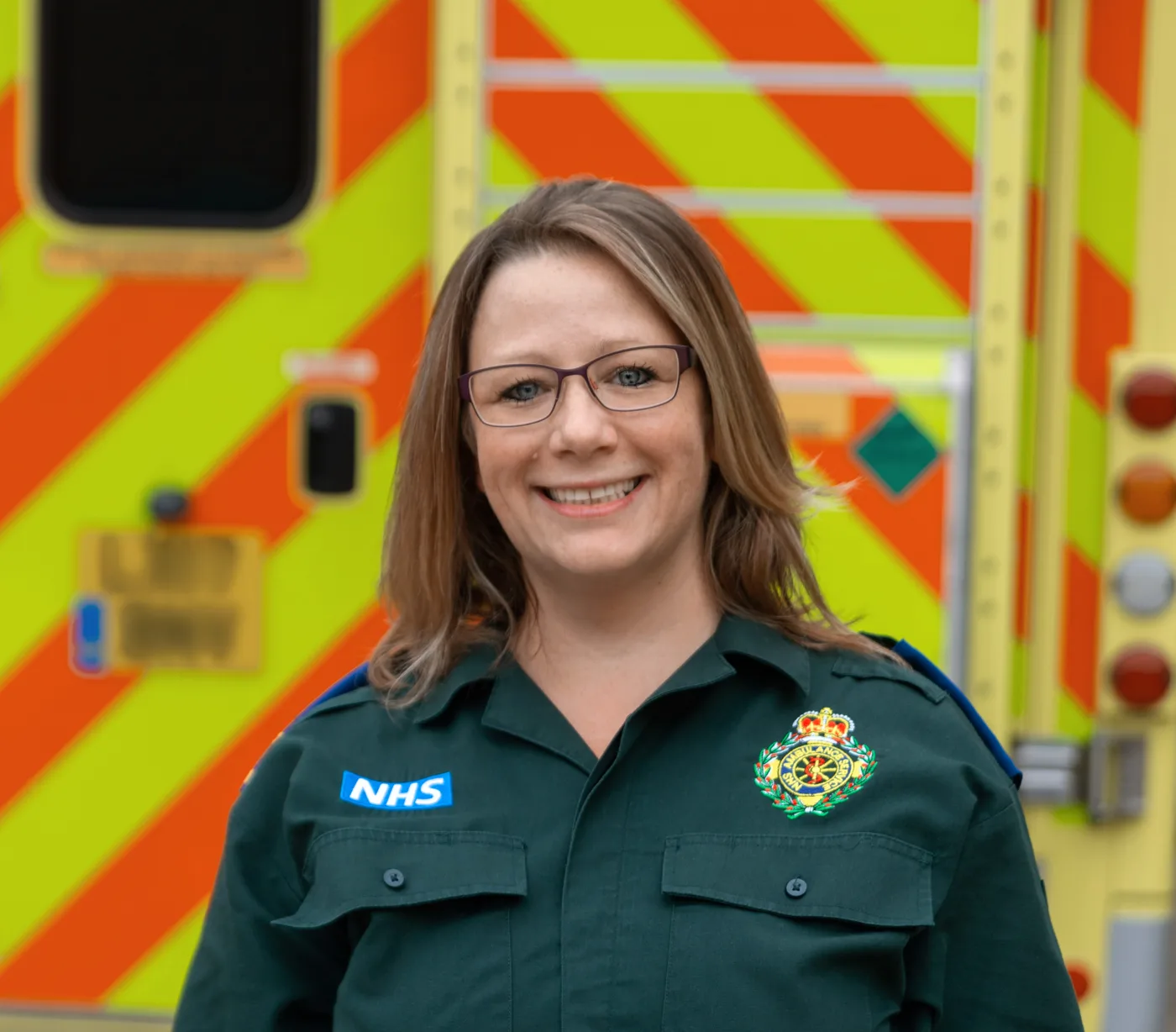
Louise Murray is the service’s Violence Reduction Manager. In an account published by the service on Friday 30 October, she describes being locked in a patient’s home with her crewmate when she worked on ambulances, and how that shaped the job she does now: helping crews, control room staff and 111 colleagues after they have been attacked or abused, and pushing police cases along when they stall.
The service covers the whole capital, Richmond upon Thames included. The 640 figure is London-wide; the service has not given a breakdown by borough.
Trapped for more than 15 minutes
Ms Murray said:
“Before this role, I worked on ambulances. On one call, a patient became aggressive, threatened my crewmate and me, and refused to let us leave his home. I radioed for police help.
“The patient locked us in his home and we were trapped for more than 15 minutes before someone else inside the property opened the front door. I got my crewmate out first, then ran after her as police arrived.
“But escaping the house wasn’t the end of it. The effects stayed with me long afterwards, and things can still trigger those feelings. This happened years ago, but at the time I felt there was nobody who could help me through it.
“That experience is part of why I do this job today.”
What the unit does
The service says it was the first ambulance trust to set up a Violence Reduction Unit, five years ago, and Ms Murray helped to launch it. Every report from staff is reviewed to work out what happened, whether the person needs support straight away and whether more information is needed.
“We’re now supporting colleagues through around 640 active police investigations, across all our teams throughout London. Each represents an incident that someone has had to deal with, and keeping track of those cases and following up concerns is a significant part of my day,” she said.
Staff make their own reports to the police, and the unit helps them through the process. “With their consent, I can seek updates and raise concerns about an investigation, but the police direct it,” she said.
Closed cases reopened
If a case is closed and she thinks there are grounds to reopen it, Ms Murray can ask the police to review the decision, again with the colleague’s consent.
“One case I worked on had been closed and appeared to be going nowhere. I kept pursuing it, raising it with different inspectors. Eventually it reached the Crown Prosecution Service and led to a conviction.”
She also worked on the case of paramedic Gosha Graf, who was sexually assaulted by a patient. Ms Graf reported it to the police and the man was jailed for 18 weeks, according to the service, which published her story on 14 October.
“Ambulance crews and call handlers report sexual abuse every single day,” Ms Murray said. “But many of these incidents go unreported. Part of my job is helping colleagues recognise when a crime may have been committed and understand their options for reporting it.”
Last week the service released extracts from abusive calls to its 999 and 111 control rooms, and the story of a 111 health adviser who needed therapy after one of them. We reported the figures behind it: 462 sexual abuse incidents reported by staff in the year to July 2026.
“Abuse is not part of the job”
“Not every case ends in a conviction. Whatever the outcome, I want colleagues to feel heard, understand their options and know they have support throughout the process if they ask for it.
“After nearly 25 years on the frontline and in violence reduction, I’m clear that abuse and aggression are not part of the job. I don’t want anyone to feel alone.”
London Ambulance Service has more than 10,000 staff and answers more 999 and 111 calls than any other ambulance service in the UK, according to its 2023/24 annual report. Ms Murray’s full account is on the London Ambulance Service newsroom.
Have your say