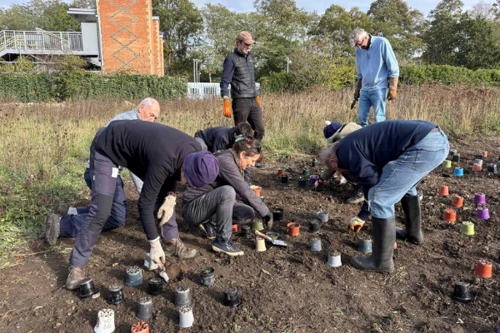

Volunteers grew more than 1,000 tower mustard plants at home from Hampton seed, and they are now planted on Barnes Common. Before this, it grew at two London sites.
One of England’s rarest wild plants has been planted on Barnes Common. Volunteers grew the tower mustard from seed at home.
More than 1,000 tower mustard plants have been grown and planted out by volunteers, Richmond Council said on 2 November. It called it a successful first year for the project. The plants are now in the ground at four London sites:
- Barnes Common
- Wimbledon Common
- Hounslow Heath
- Lesnes Abbey Woods
Before the project began, the plant was known at only two sites in London. It is thought to survive at around 30 sites across England.
Seed from Hampton
The seed came from one of the last wild populations, at Stain Hill Reservoir in Hampton. In June the council said more than 50 volunteers, known as Tower Mustard Guardians, were raising seedlings from that population. They grew them in low-nutrient conditions close to the plant’s natural habitat.
Volunteers took home a growing kit of wild seed, pots and compost after a training session, according to Habitats and Heritage’s project page. They brought the plants back at the end of summer for the planting days. A windowsill or balcony was enough space.
The project is led by Citizen Zoo, Habitats and Heritage and Barnes Conservation. It is funded by the Mayor of London’s Green Roots Fund and Thames Water. The council paid for the original feasibility study, by botanist Dr Mark Spencer and Paul Losse, who still advise on growing, planting and aftercare.
Why it matters
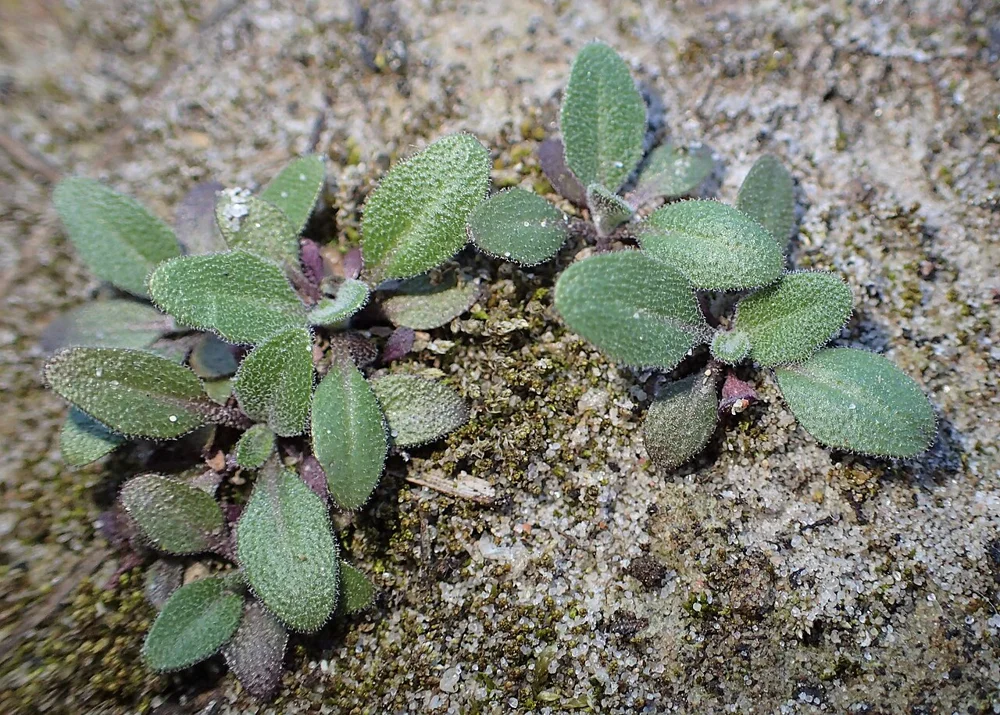
Tower mustard (Turritis glabra) is a native herb. It has declined steeply through habitat loss and changes in how land is managed. It is assessed as Near Threatened on the Great Britain Red List and Endangered in England, the council says.
Barnes Conservation says it grows to around a metre tall, with small white flowers. It supports pollinators, including native bees, butterflies and rare moths.
“We are particularly excited to establish a new population of Tower Mustard on Barnes Common, a site perfectly suited for this species to return to its historic range,” said Will Dartnell, Barnes Conservation’s conservation manager, when the project launched.
What it means for you
- The new plants are young and easy to miss. If you walk on Barnes Common, keep to the paths and leave wild plants where they are.
- You can still take part. Habitats and Heritage asks people who want to hear about future training sessions and planting days to get in touch through its project page. No experience is needed.
- More to come. The council says it will keep supporting the new populations. In June it said it hoped to gather more seed from Stain Hill Reservoir for the next phase.
Have your say