
Richmond Council has written off £8.8m of unpaid council tax, business rates and other debts since April 2025. Councillors approved £3.78m of it on 19 November.
Richmond Council has written off £8.78 million of debts it could not collect between April 2025 and September 2026. The biggest single item is £861,675 owed by a developer for 28 homes that were never built.
About £5 million has already gone under officers’ own powers. Councillors on the Finance, Policy and Resources Committee approved the rest on Thursday 19 November: 68 debts over £25,000, worth £3.78 million. The decision record shows they also noted the £5 million written off by officers. The figures are in the council’s Management and Collection of Debts report, published with the meeting agenda.
Overview
Updated 23 November: councillors approved the 68 write-offs, worth £3.78 million, on 19 November (decision record).
- Written off since April 2025: £8.78 million across 10,494 accounts.
- Already done by officers: £5.0 million in debts under £25,000 each.
- For councillors to approve: 68 debts over £25,000, totalling £3.78 million.
- Largest debt type: business rates, £3.4 million, most of it from firms that became insolvent.
- Why now: the council says it is clearing old debt it will never collect, and a one-year change to government funding pays it back 30% of every business rates debt it writes off.
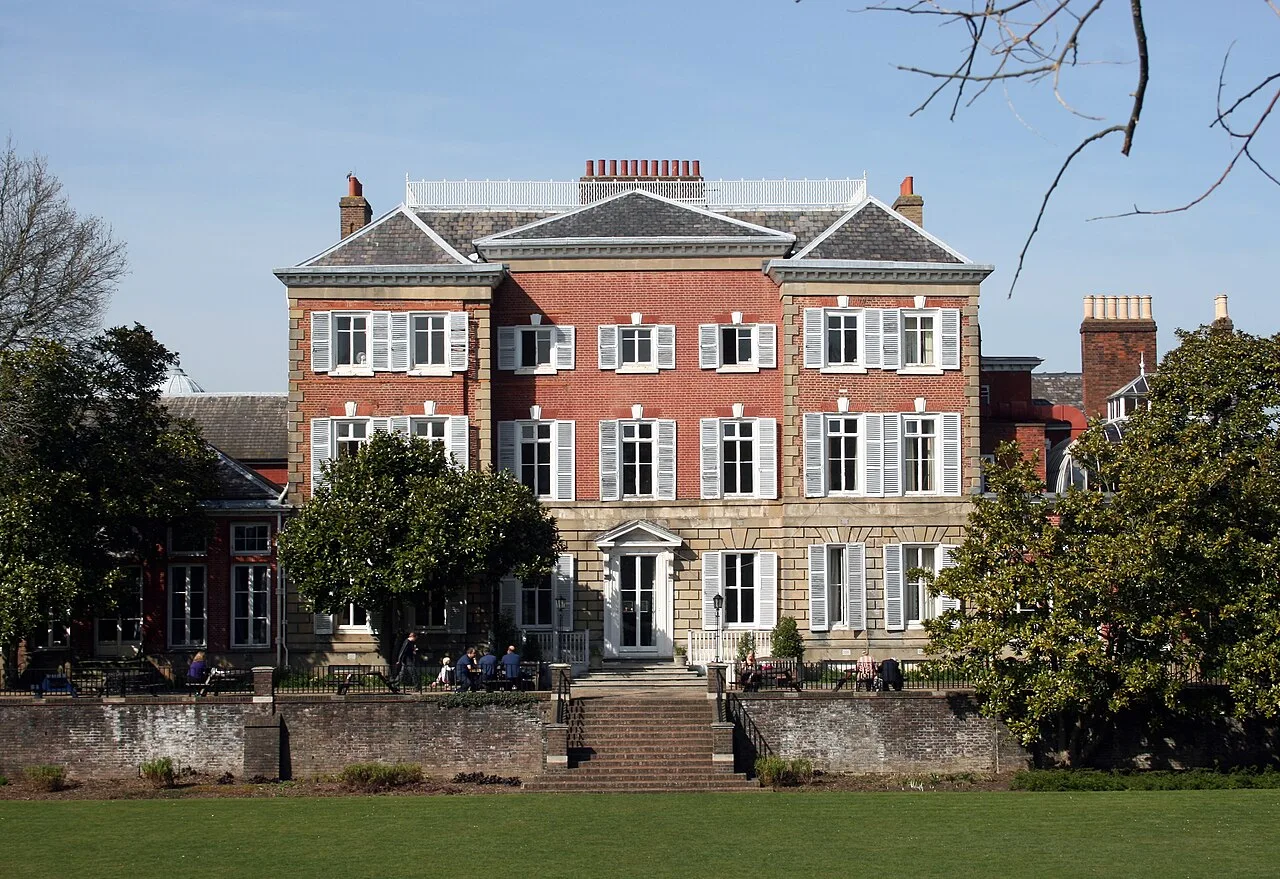
- Decision: approved on Thursday 19 November at York House.
What has been written off
The report breaks the £8.78 million down by type of debt:
| Debt | Amount written off | Accounts | Average |
|---|---|---|---|
| Business rates | £3,400,525 | 319 | £10,660 |
| Council tax | £2,394,582 | 8,331 | £287 |
| Temporary accommodation rent | £1,214,121 | 589 | £2,061 |
| Community Infrastructure Levy | £861,675 | 1 | £861,675 |
| Housing benefit overpayments | £503,735 | 705 | £715 |
| Adult social care charges | £333,704 | 106 | £3,148 |
| Other council invoices | £72,430 | 443 | £169 |
Most council tax write-offs are small: the average is £287. The largest reason is that the person moved away and could not be traced. The report lists £1.84 million of council tax written off for that reason.
For business rates, the main reason is insolvency. Firms that went bust or into administration account for £2.72 million of the £3.4 million.
Across every type of debt, the report gives these as the main reasons:
- insolvency or bankruptcy: £2.90 million
- the debtor left and could not be found: £2.67 million
- not worth the cost of chasing: £721,492
- the debtor had died: £407,854
- too old to pursue in law: £385,684
The £861,675 bill for homes that were never built
The single largest debt is a Community Infrastructure Levy bill. The levy is a charge on new building that pays for things like schools, roads and parks.
The report sets out what happened:
- planning permission for 28 homes was granted on 5 September 2017
- the developer formally started work on 26 April 2021, which made the levy payable
- the only work carried out was taking down a chimney for safety reasons
- the first instalment fell due on 23 October 2021 and was never paid
- the land was then sold, and the new owner got permission for a care home instead
- the care home is being built, and its own levy has been paid in full
The original owner still owes the money. But the council’s lawyers advised that there was “no possibility” of the first scheme going ahead, because the original owner no longer owns the site.
The report says the debt could only have been cancelled if the developer had paid part of it and applied for a reduction before the care home work began. That did not happen, so the only way to clear it from the books is to write it off.
Why the total has jumped this year
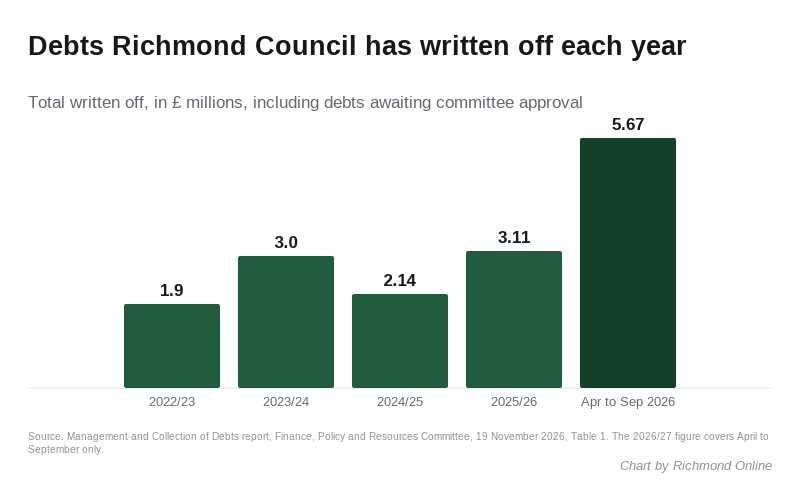
The council wrote off £3.11 million in 2025/26. In the six months from April to September 2026 it has written off £5.67 million, including the debts approved on 19 November.
The report says the rise “reflects a deliberate and targeted review of older debt rather than a deterioration in current collection performance”. Debt more than two years old has fallen from 48% of the total in 2024/25 to 38% by September 2026.
Three things made the review possible, according to the report:
- automation in the council tax office freed staff to set up a new arrears team
- the business rates team was restructured to look at older debts
- a data-matching trial with HMRC showed many temporary accommodation debts could not be collected
There is also a funding reason. For 2026/27 only, the government has raised the “safety net” for business rates. The report says the council will get 30% of every business rates debt it writes off back as extra grant this year. It calls this an opportunity to clear debts that are no longer collectable “while maximising the benefit of the temporary safety net arrangements”.
The report says write-offs are less than 2% of the income the council raises through its bills each year.
What it means for you
Writing a debt off does not mean the council has given up on people who can pay. The report says debts are only written off when recovery is “exhausted, uneconomic, legally inappropriate”, or when the person’s circumstances make chasing them unreasonable.
Since 2025/26, the council has stopped sending bailiffs for council tax arrears to households that get Council Tax Reduction. Anyone struggling to pay their council tax can ask for a payment plan, and the report says the council signposts free debt advice, including Citizens Advice and StepChange.
Councillors will also discuss the council’s £5.9 million overspend and a £10 million consultancy contract at the same meeting. It is open to the public and webcast.
Have your say