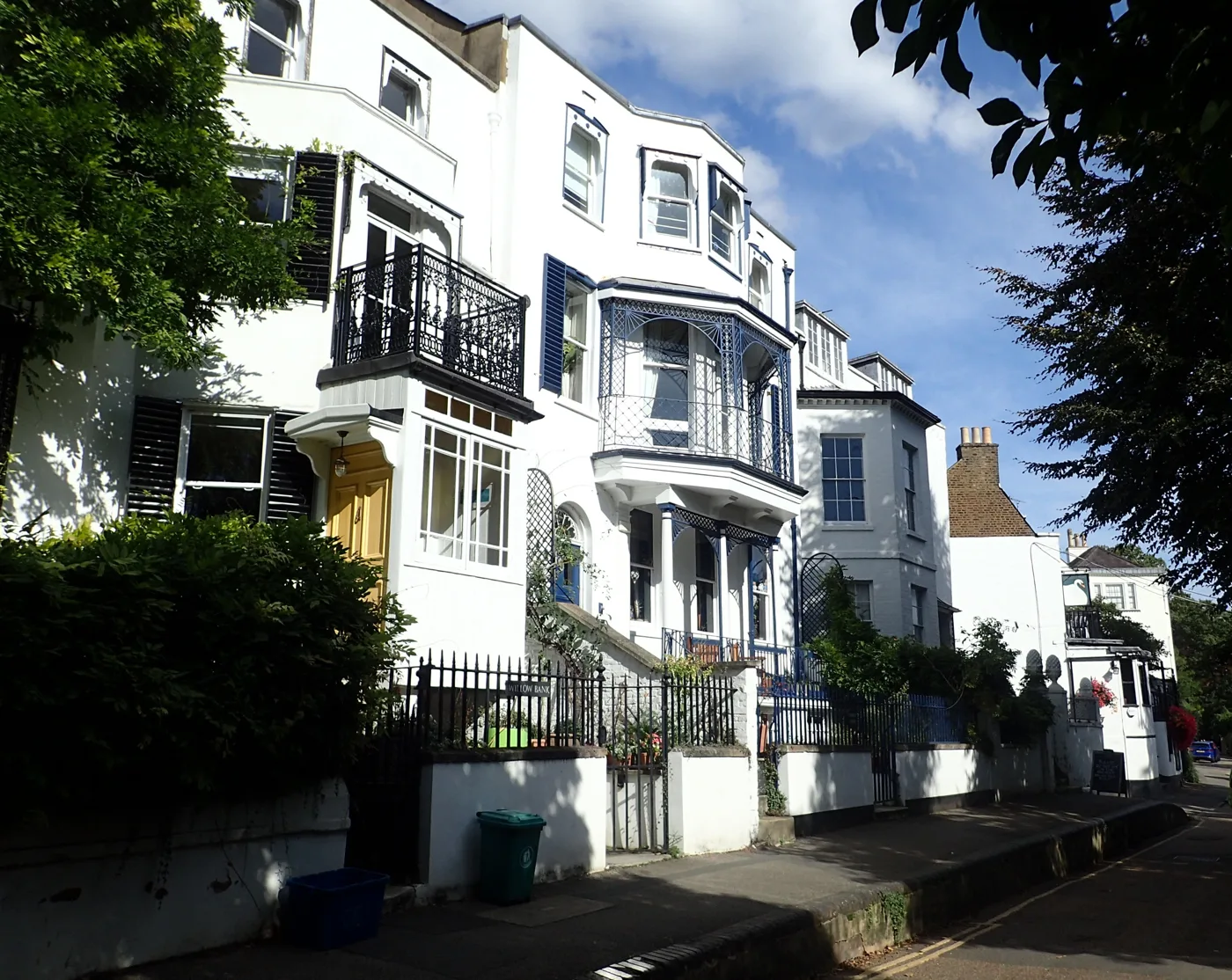

Richmond Council says a £1.5m threshold would pull in 4,300 more local homes, taking the total to 9,200. The surcharge starts in April 2028 at £2,500 a year.
Richmond Council said on 22 September that 9,200 homes in the borough would face the government’s new surcharge on high-value property if ministers cut the threshold from £2 million to £1.5 million, about 4,300 more than at the threshold announced so far.
The council was responding to press reports that the Treasury is considering widening the charge before the Budget on 28 October. No such change has been announced. The £1.5 million figure is a reported possibility, and the 9,200 is the council’s own estimate, not a government one.
What is already decided is the charge itself, and that is worth setting out plainly, because it takes effect in less than two years.
What the surcharge actually is
The High Value Council Tax Surcharge was announced at the Budget on 26 November 2025. According to the government’s own factsheet:
- It starts in April 2028.
- It applies to residential property in England valued at £2 million or more.
- Homeowners, not occupiers, are liable. A tenant does not pay it.
- It is on top of existing council tax, not instead of it.
- Social housing is excluded.
- The Valuation Office will run a targeted exercise to identify properties above the threshold, and revaluations will follow every five years.
- The Treasury expects it to raise £0.4 billion in 2029-30, and says fewer than 1% of properties in England are above £2 million.
There are four bands.
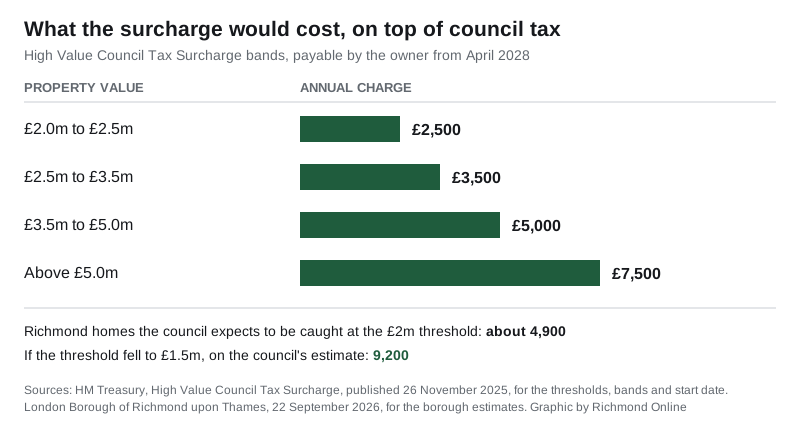
On the council’s own numbers, about 4,900 Richmond homes are expected to be caught at the £2 million threshold. Its 22 September statement puts the total at 9,200 if the threshold drops to £1.5 million, which is where the extra 4,300 comes from.
What the council said
Cllr Gareth Roberts, the leader of Richmond Council, said lowering the threshold “would drag thousands more Richmond homes into an already unfair tax that would take money out of our borough and send it straight to the Treasury”.
He added: “Many of those homes are ordinary family houses in areas where prices have risen sharply over many years. Their owners are not responsible for the government’s budget shortfall, and they should not be seen as an easy target just because of their postcode.”
The council also repeated its claim that residents face a £102 million funding hit over the next four years, and said it “will not stay silent while our residents are used to plug a hole in the national finances”.
Four boroughs, and most of the money
This is not a Richmond campaign on its own. On 14 September the leaders of Wandsworth, Richmond, Westminster, and Kensington and Chelsea wrote a joint letter to the Chancellor opposing the surcharge.
In Wandsworth Council’s account of that letter, the four boroughs say households in their areas could end up paying around £275 million a year, which they describe as more than half of the revenue expected from the tax nationally. Set against the Treasury’s own £0.4 billion estimate for 2029-30, that is the argument in one line: four boroughs out of more than 300 English councils, carrying most of the bill.
Those four are also the four most expensive places to buy in London, which is the point the councils are making and the point the Treasury is relying on.
The context the press releases leave out
Two things are worth adding to the council’s case, and they cut both ways.
Richmond prices have not risen lately. The council’s argument rests on values that “have risen sharply over many years”. That is true over a decade. It is not true over the last one: the Land Registry’s July index puts the borough average at £803,249, down 0.8% on a year earlier, and we set out the detail in our report on the July figures. The borough average is well under £1 million, so the great majority of Richmond homes are nowhere near either threshold.
But Richmond has a lot of expensive houses. The same index puts the average detached house in the borough at £1,814,548 and the average semi-detached at £1,192,249. Those are averages, so roughly half of each type sits above them. A £1.5 million threshold would reach well into ordinary semi-detached and terraced stock in parts of the borough in a way a £2 million threshold does not.
The consultation has already closed
If you wanted to tell the government what you think of the design of this tax, that window has gone. The Ministry of Housing, Communities and Local Government ran a consultation on the surcharge’s design and delivery from 19 May to 14 July 2026, covering scope, billing, appeals, enforcement and deferral options for owners who cannot pay. It is closed and the government has not yet published its response.
What it means for you
If your home is worth under about £1.5 million, nothing here affects you. The borough average is £803,249.
If it is worth more than £2 million, you should expect to be identified by the Valuation Office ahead of April 2028 and to receive a bill of between £2,500 and £7,500 a year on top of your council tax, depending on the band. The charge falls on the owner.
If it is worth between £1.5 million and £2 million, you are in the group the council is talking about. You are not currently in scope. Whether that changes is a Budget decision, due on 28 October 2026.
If you rent, the surcharge is not yours to pay. It is levied on owners. Whether landlords pass it on through rents is a separate question and the government has not legislated on it.
None of this changes your council tax band. Bands still rest on property values on 1 April 1991, and the surcharge sits alongside them rather than replacing them. What each band costs in Richmond this year is on our council tax bands page.
The next fixed date is the Budget on 28 October. Until then, the threshold is £2 million and everything above that is a report rather than a decision.
Frequently asked questions
What is the mansion tax and when does it start?
Its proper name is the High Value Council Tax Surcharge. It was announced at the Budget on 26 November 2025 and takes effect in April 2028. It applies to residential property in England valued at £2 million or more, and it is paid on top of ordinary council tax.
How much is the surcharge?
£2,500 a year for property valued at £2.0m to £2.5m, £3,500 for £2.5m to £3.5m, £5,000 for £3.5m to £5.0m and £7,500 above £5.0m.
How many Richmond homes would be affected?
Richmond Council estimates about 4,900 at the £2 million threshold. It said on 22 September 2026 that a £1.5 million threshold would add roughly 4,300 more, taking the borough total to 9,200. Those are the council’s own estimates, not government figures.
Has the threshold actually been lowered to £1.5 million?
No. The announced threshold is £2 million. The £1.5 million figure comes from press reports that the Treasury is considering widening the charge, and the council was responding to those reports. The next decision point is the Budget on 28 October 2026.
Does the owner or the tenant pay it?
The owner. The government’s factsheet says homeowners rather than occupiers are liable.
Can I still respond to the consultation?
No. The Ministry of Housing, Communities and Local Government consulted on the design and delivery of the surcharge from 19 May to 14 July 2026. That consultation is closed and the government has not yet published its response.
Sources
- Mansion tax changes would see more Richmond residents ‘used to plug hole in national finances’, London Borough of Richmond upon Thames, 22 September 2026, for the 4,300 and 9,200 estimates, the £102 million figure and every quotation from Cllr Gareth Roberts.
- High Value Council Tax Surcharge, HM Treasury, published 26 November 2025, for the April 2028 start date, the £2 million threshold, all four bands and charges, owner liability, the social housing exclusion, the Valuation Office exercise, five-yearly revaluations, the £0.4 billion revenue estimate and the “fewer than 1% of properties in England” figure.
- High Value Council Tax Surcharge: design and delivery, Ministry of Housing, Communities and Local Government, for the consultation’s scope and its 19 May to 14 July 2026 dates.
- Four boroughs fight back against unfair property tax, Wandsworth Council, 14 September 2026, for the joint letter to the Chancellor and the £275 million figure.
- Chancellor letter to the Treasury Select Committee: Budget 2026 date, HM Treasury, for the 28 October 2026 Budget date.
- UK House Price Index, Richmond upon Thames, July 2026, HM Land Registry, for the borough average and the detached and semi-detached averages.
Have your say